



Can dogs have melatonin? In some cases, yes. Melatonin is sometimes used in veterinary medicine to support dogs with sleep or behavior concerns, but you should talk with your veterinarian before giving it to your dog. The right product, dose, and schedule can vary based on your dog's size, health, medications, and reason for taking it.
Products made for humans require extra caution, too. Some melatonin gummies, chewables, and combination sleep aids contain ingredients such as xylitol, which is toxic to dogs. Here's what pet parents should know about melatonin for dogs, including safety, timing, side effects, puppies, and ways to support better rest without supplements.
Melatonin for Dogs: Key Points
- Dogs naturally produce melatonin, a hormone involved in regulating their sleep-wake cycle.
- Melatonin is sometimes used for sleep or behavior concerns in dogs, but research is still limited, and it should be used with veterinary guidance.
- There is no one-size-fits-all melatonin dosage for dogs. The appropriate amount and frequency depend on the individual dog and why melatonin is being used.
- Always check human melatonin products carefully. Some contain xylitol or other ingredients that can be dangerous to dogs.
- Side effects can occur, including sleepiness, digestive upset, or unsteadiness.
- A consistent routine and comfortable sleep environment can also support better rest, whether or not melatonin is part of your dog's plan.
Note: This blog may contain links to Naturepedic products and promotional content where relevant to the topic discussed.
What Is Melatonin, and Is It Safe for Dogs?
Melatonin is a hormone produced by the pineal gland in the brain. In both humans and dogs, it plays a role in regulating circadian rhythms, including the body's natural sleep-wake cycle.
Veterinarians sometimes use melatonin for dogs with sleep or behavior concerns, as well as certain forms of hair loss. However, research on melatonin use in dogs is still limited, and effectiveness can vary depending on the dog and the condition being addressed.
Melatonin is generally considered well tolerated when used appropriately, but that doesn't mean every dog should take it. Health conditions, medications, age, and the specific supplement can all affect whether melatonin is appropriate, which is why it's important to ask your veterinarian before starting it.
Does Melatonin Work for Dogs?
Melatonin may have a calming or sleep-promoting effect for some dogs, but it isn't a universal solution for anxiety or sleep problems. The American Kennel Club notes that its effectiveness can depend on the dog, the severity of the issue, and the context in which it is used.
For dogs with more significant anxiety, melatonin may be one part of a broader treatment plan that also includes behavior modification, environmental changes, or medications recommended by a veterinarian.
When Might a Dog Need Melatonin?
There are several situations in which a veterinarian might consider melatonin for a dog, particularly when sleep or behavior patterns are disrupted.

Anxiety and Stress
Some dogs experience anxiety when they're left alone, encounter unfamiliar situations, or face changes in routine. Melatonin may have a calming effect for certain dogs, but it shouldn't be viewed as a stand-alone treatment for ongoing or severe anxiety. A veterinarian or qualified behavior professional can help identify the cause of your dog's anxiety and recommend an appropriate plan.
Sleep-Wake Disruptions
Dogs can experience changes in their sleep patterns, particularly as they age. Older dogs with canine cognitive dysfunction, for example, may become restless, confused, or more active at night. Melatonin is sometimes used under veterinary guidance to help support a more regular sleep-wake pattern.
Noise-Related Fears
Thunderstorms, fireworks, and other sudden noises can be especially stressful for some dogs. Melatonin may be used as one part of a broader strategy for noise-related fear, alongside environmental changes, behavior support, or other treatments recommended by your veterinarian.
Can Dogs Take Human Melatonin?
Some melatonin products made for humans may be used for dogs under veterinary guidance, but you should never assume a human sleep supplement is automatically safe for your pet.
One of the biggest concerns is xylitol, a sweetener that can be found in gummies, fast-dissolving tablets, and other flavored supplements. Xylitol can cause dangerous effects in dogs, including severe drops in blood sugar and, depending on the amount consumed, liver injury.
Combination sleep aids may contain other ingredients that aren't appropriate for dogs, such as 5-HTP. Before giving your dog any human melatonin product:
- Check the complete ingredient list.
- Avoid products containing xylitol.
- Be cautious with combination sleep supplements containing multiple active ingredients.
- Ask your veterinarian to confirm the product and formulation are appropriate for your dog.
How Much Melatonin Can I Give My Dog?
There isn't one universal melatonin dosage that's appropriate for every dog. Recommendations can vary based on your dog's weight, age, health history, medications, the reason melatonin is being used, and the formulation of the supplement.
The American Kennel Club recommends consulting a veterinarian to determine the appropriate melatonin dose rather than relying on a general dosage chart.
Your veterinarian may consider factors such as:
- Your dog's size and weight
- Your dog's age and overall health
- The reason melatonin is being considered
- Other medications or supplements your dog takes
- The strength and formulation of the melatonin product
- How often the supplement would be given
Important Note: The information provided here about melatonin use in dogs is for educational purposes only. This content is not intended to be a substitute for professional veterinary advice, diagnosis, or treatment.
How Long Does Melatonin Take to Work in Dogs?
Timing depends on the product and the individual dog. According to VCA Animal Hospitals, fast-acting oral melatonin typically begins taking effect within one to two hours. Your veterinarian can tell you when to give it based on why your dog is taking it.
How Often Can Dogs Take Melatonin?
How often a dog can take melatonin also depends on the reason for using it. Some veterinary plans may involve regular doses, while others may call for melatonin only around specific situations or events. Follow your veterinarian's directions rather than increasing the frequency or giving extra doses on your own.
Can Puppies Have Melatonin?
Don't give a puppy melatonin without first talking to a veterinarian. Young dogs may require additional caution because they're still developing. VCA Animal Hospitals advises using melatonin cautiously in pets that have not yet reached sexual maturity.
If a puppy is having trouble sleeping, settling down, or coping with anxiety, your veterinarian can also help rule out behavioral, environmental, or medical reasons before recommending a supplement.
Potential Side Effects of Melatonin in Dogs
Although many dogs tolerate melatonin well, side effects are possible.

Possible reactions associated with melatonin use or accidental ingestion can include:
- Sleepiness or sedation
- Vomiting or other digestive upset
- Unsteadiness or difficulty walking
- Changes in weight or fertility with some uses
- Unusual agitation in rare cases
ASPCA guidance on sleep aid exposures notes that melatonin by itself generally causes milder symptoms than some combination sleep products. However, your dog's health, the amount consumed, and other ingredients in the product can change the risk.
Melatonin can also interact with certain medications, so make sure your veterinarian knows about any prescription drugs, vitamins, supplements, or herbal products your dog already takes.
What Happens if a Dog Eats Too Much Melatonin?
If your dog accidentally gets into melatonin, the first step is to determine exactly what product they ate and check the ingredient list. Melatonin itself may cause symptoms such as vomiting, sedation, or unsteadiness when too much is consumed, but ingredients found in some human supplements can pose a greater risk.
Xylitol is particularly important to watch for. It can cause a dangerous drop in a dog's blood sugar and, in some cases, liver injury. Combination products containing ingredients such as 5-HTP can also cause more serious toxicity.
If you suspect an overdose, your dog ate an unknown amount, or the product contains xylitol or another potentially harmful ingredient, contact your veterinarian or ASPCA Poison Control promptly. Keep the product packaging nearby so you can provide the ingredient list, strength, and estimated amount consumed.
Ways to Help Your Dog Sleep and Relax Without Melatonin
Melatonin isn't the only way to support better rest.

A consistent routine, regular activity, and a comfortable environment can all help dogs settle more easily.
Create a Comfortable Sleep Space
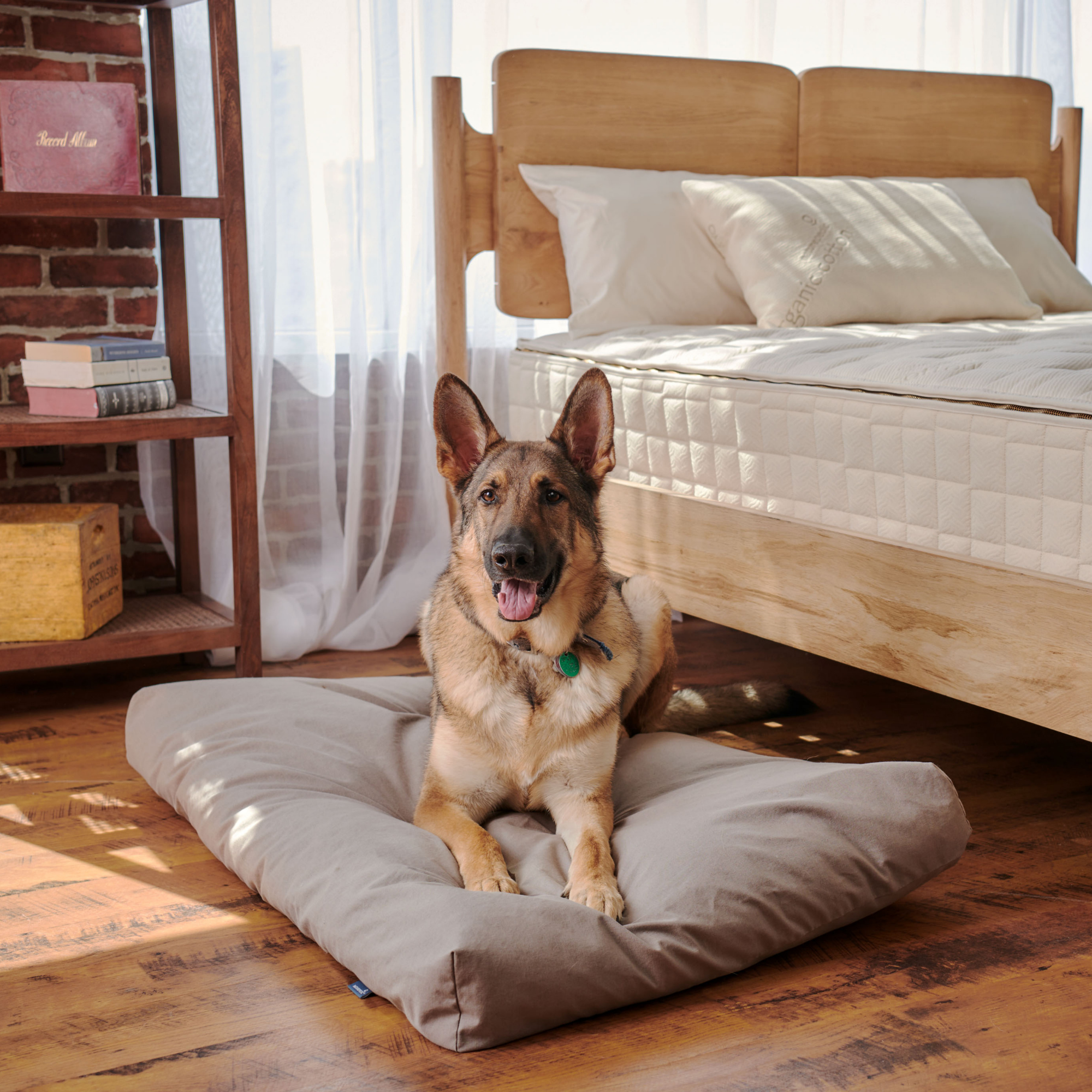
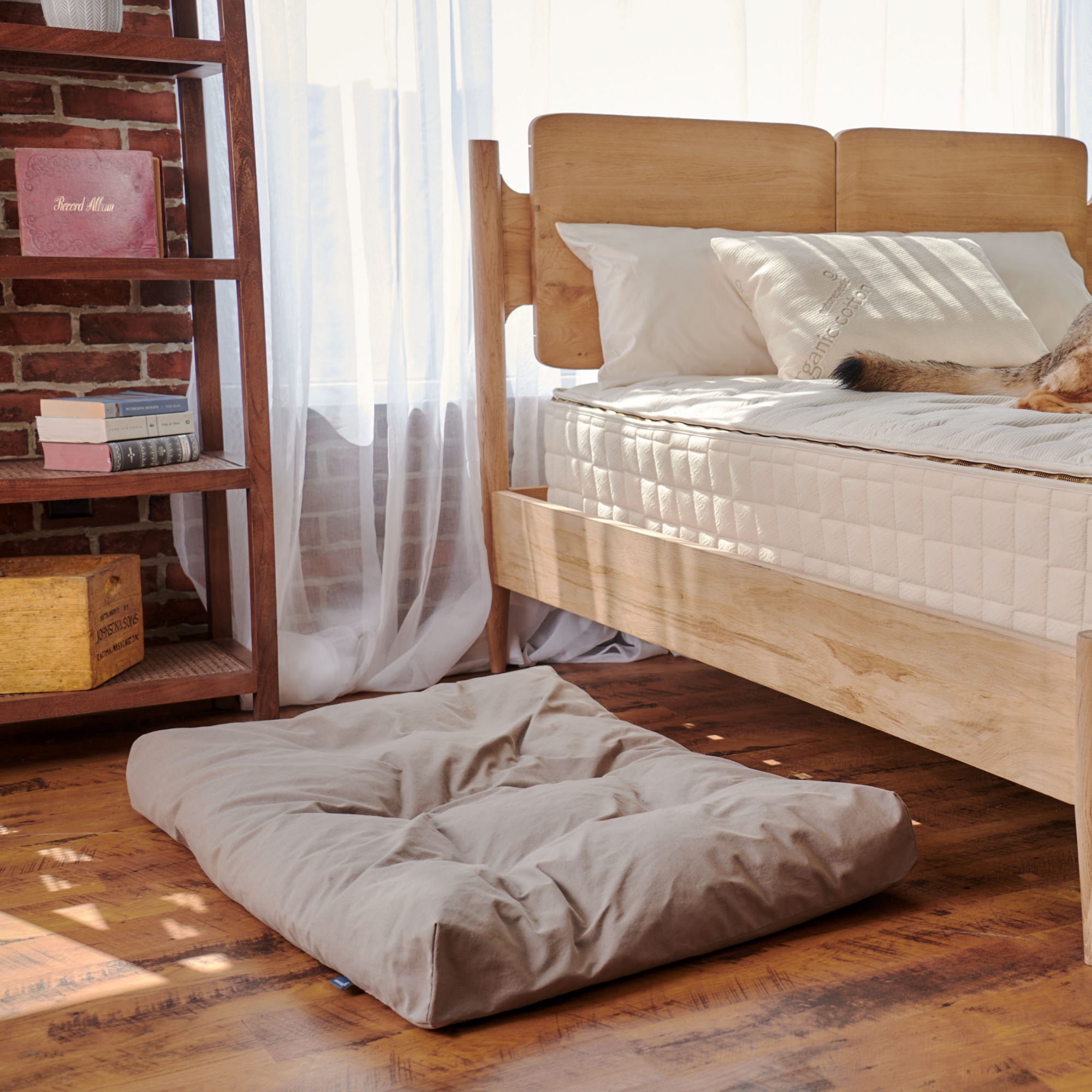
Your dog's sleep environment matters. Naturepedic's GOTS-certified organic dog bed is made with supportive shredded latex and organic cotton to give pets a comfortable place to curl up and rest.
Place your dog's bed somewhere relatively quiet and away from heavy household traffic, especially if they're easily startled or have trouble settling down at night.
Build a Calming Routine
Simple changes to your dog's daily routine may also support better rest:
- Provide regular exercise and appropriate mental stimulation during the day.
- Keep feeding, walking, and bedtime schedules as consistent as possible.
- Use an anxiety wrap or compression garment if your dog finds gentle pressure soothing.
- Try a white noise machine to help mask unpredictable household or outdoor sounds.
- Keep bedtime calm and limit highly stimulating play immediately before sleep.
If your dog shows persistent anxiety, nighttime restlessness, or sudden changes in sleeping behavior, talk with your veterinarian. Sleep disruption can sometimes be related to an underlying medical or behavioral issue that needs more specific attention.
Practice Good Sleep Hygiene for Dogs
Sleep hygiene matters for our four-legged family members, too. Keep your dog's organic pet bed in a comfortable, quiet area, maintain a predictable routine, and give them a consistent place to settle down at night.
Supporting Better Sleep for Your Dog
Melatonin may be useful for some dogs, but it isn't a one-size-fits-all sleep or anxiety solution. Start by talking with your veterinarian, especially if your dog is taking medication, is still a puppy, has an underlying health condition, or you're considering a melatonin product made for humans.
Whether melatonin is part of the plan or not, the basics still matter: regular activity, a predictable routine, and a comfortable place to rest can all help create an environment that's easier for your dog to settle into at the end of the day.
Have feedback on our story? Contact us to let us know what you think, or visit our about us page to learn more!