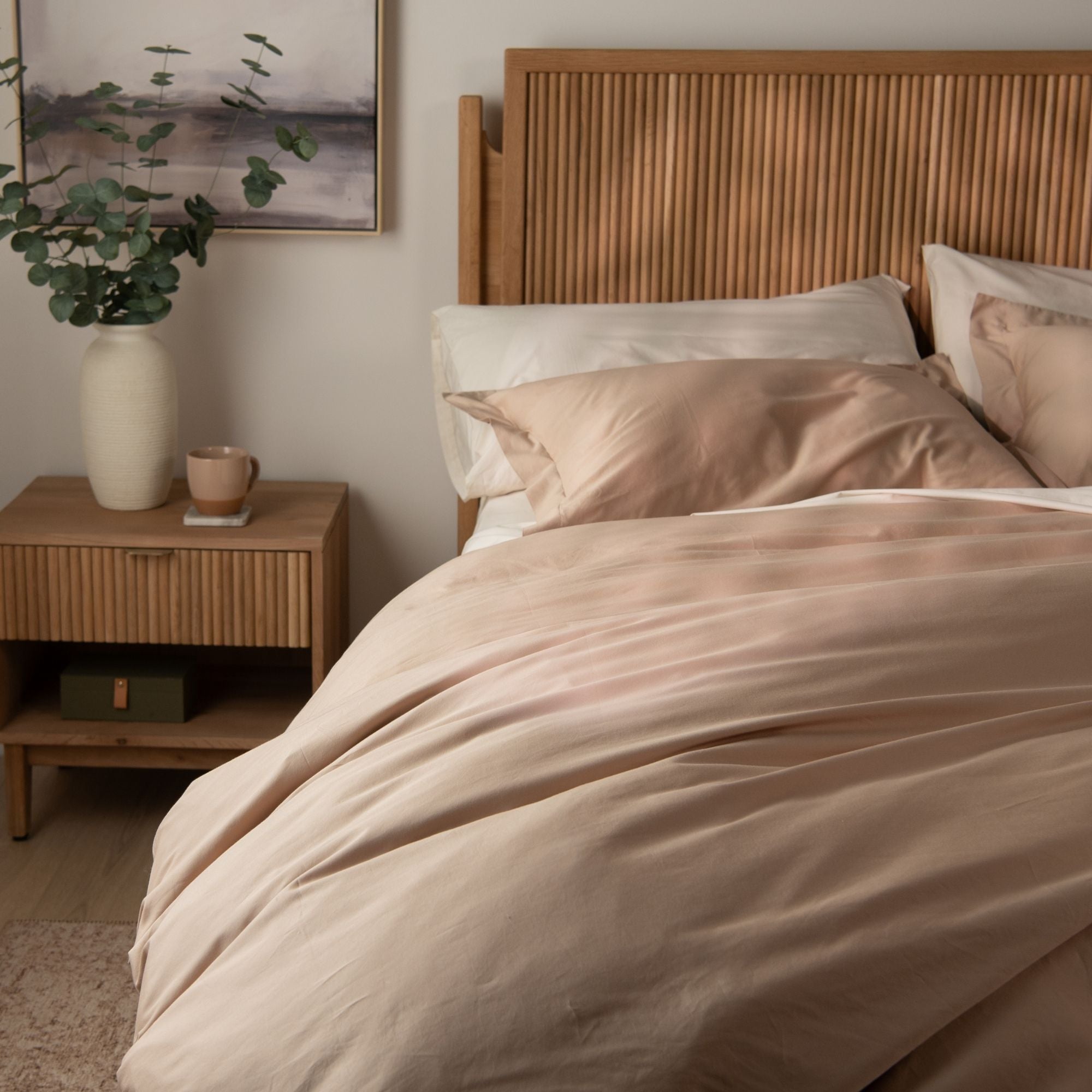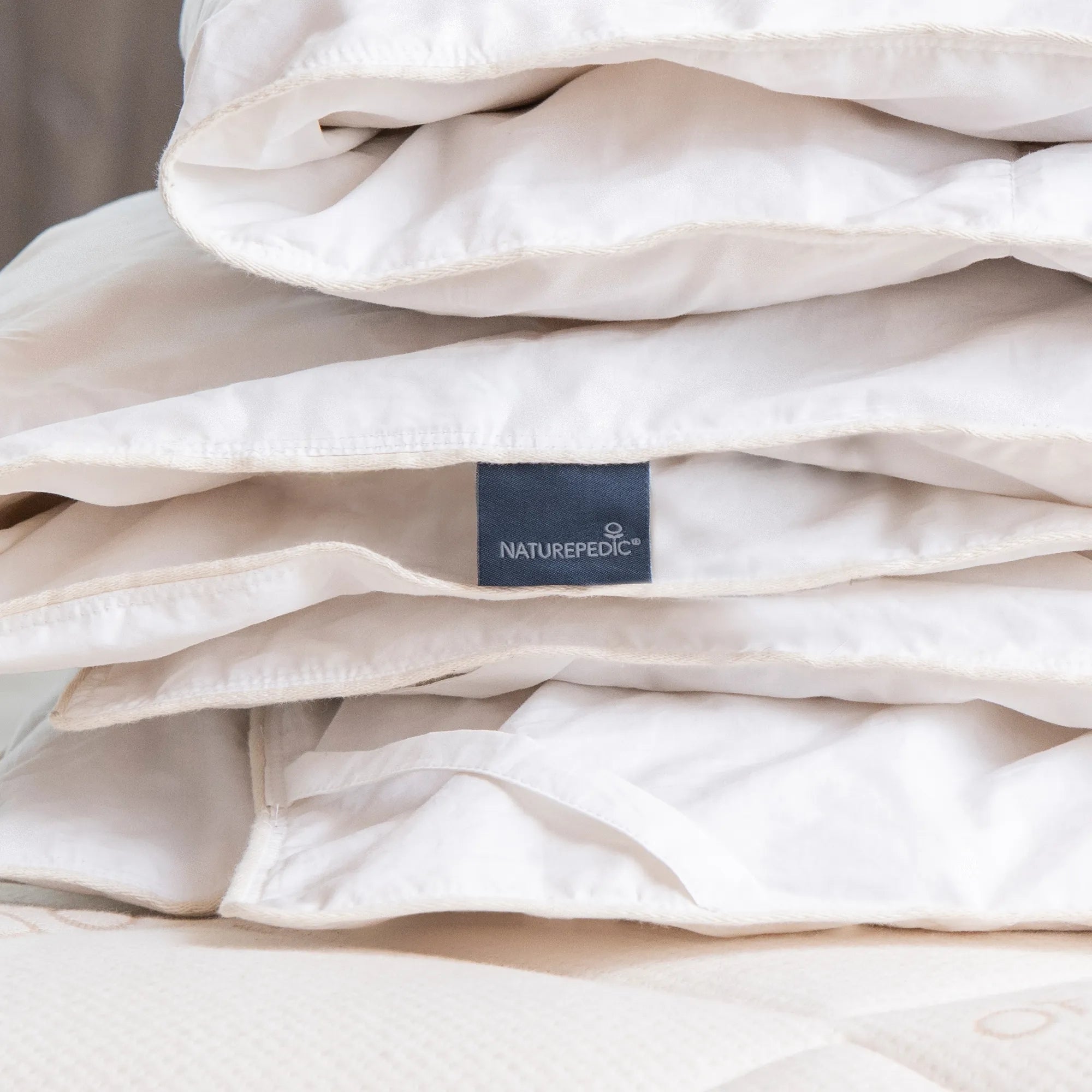



A duvet cover is a removable fabric casing designed to protect a duvet insert or comforter. Think of it like a pillowcase for your comforter: the insert provides the warmth, while the duvet cover surrounds it, helping protect it from dirt, spills, and everyday wear while making it easy to change the look and feel of your bed.
But what exactly goes inside a duvet cover, and how is a duvet different from a comforter? From duvet inserts and bedding materials to care and the easiest way to put one on, here’s everything you need to know about this versatile bedding essential.
Duvet Covers: Key Points
- A duvet cover is a removable fabric casing that surrounds and protects a duvet insert or comforter.
- A duvet is generally a two-piece bedding system made up of a duvet insert and removable duvet cover, while a comforter is typically used as a finished, all-in-one layer.
- Duvet covers can simplify bedding care because the cover is generally easier to remove and wash than the filled insert itself.
- Common duvet cover materials include cotton percale, cotton sateen, cotton muslin, cotton waffle, and flax linen, each offering a different texture, weight, and feel.
- Look for the right size, material, closure, and interior ties to help your duvet insert fit securely and comfortably inside the cover.
Note: This blog may contain links to Naturepedic products and promotional content where relevant to the topic discussed.
The Basics: What Is a Duvet Cover?
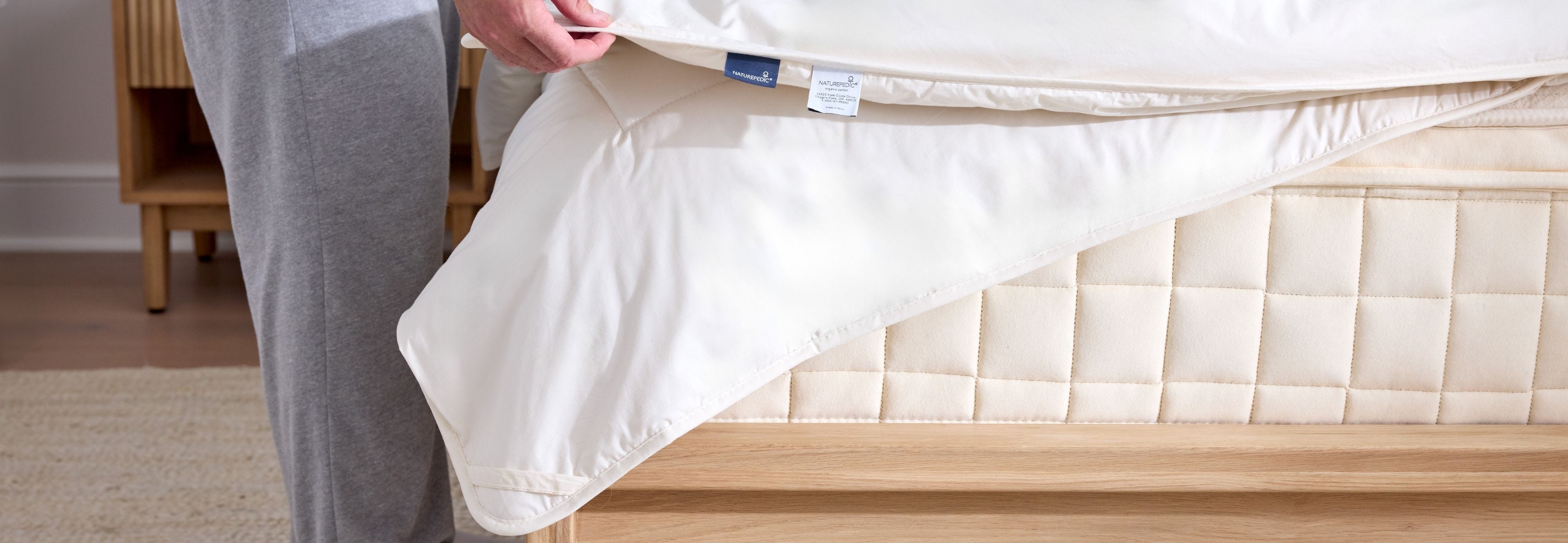
A duvet cover is essentially a large fabric envelope that encases a duvet insert or comforter. Typically secured with buttons, snaps, or zippers, the cover shields the filled bedding inside from everyday wear and tear. Because duvet inserts and comforters can be bulky and more difficult to wash, a removable duvet cover can make routine bedding care much simpler.
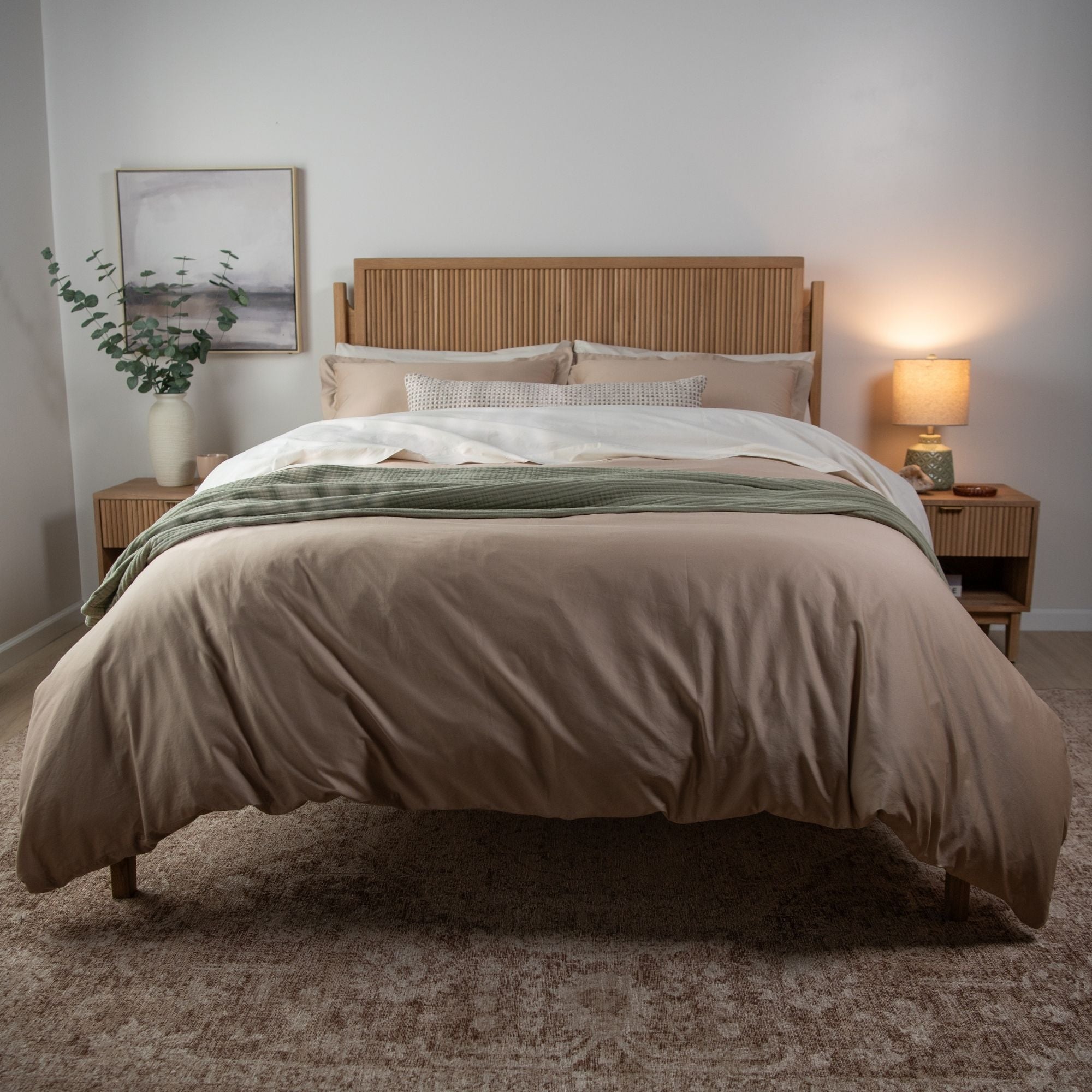
Duvet covers also make it easy to change the style of your bed without replacing the insert itself. Available in different fabrics, textures, patterns, and colors, the cover becomes the visible outer layer of your bedding while the insert remains tucked inside.
So, what is a duvet cover used for? Its main purposes include:
- Protecting a duvet insert or comforter
- Making routine washing easier
- Changing the look and feel of your bedding
- Adding another layer of texture and comfort to your bed
What Goes Inside a Duvet Cover?
A duvet cover needs a filled bedding layer inside it. That may be called a duvet, duvet insert, or even a comforter, depending on the product and manufacturer. Bedding terminology can overlap, but the easiest way to understand the setup is to think of the cover and filling as two separate pieces.
What Is a Duvet Insert?
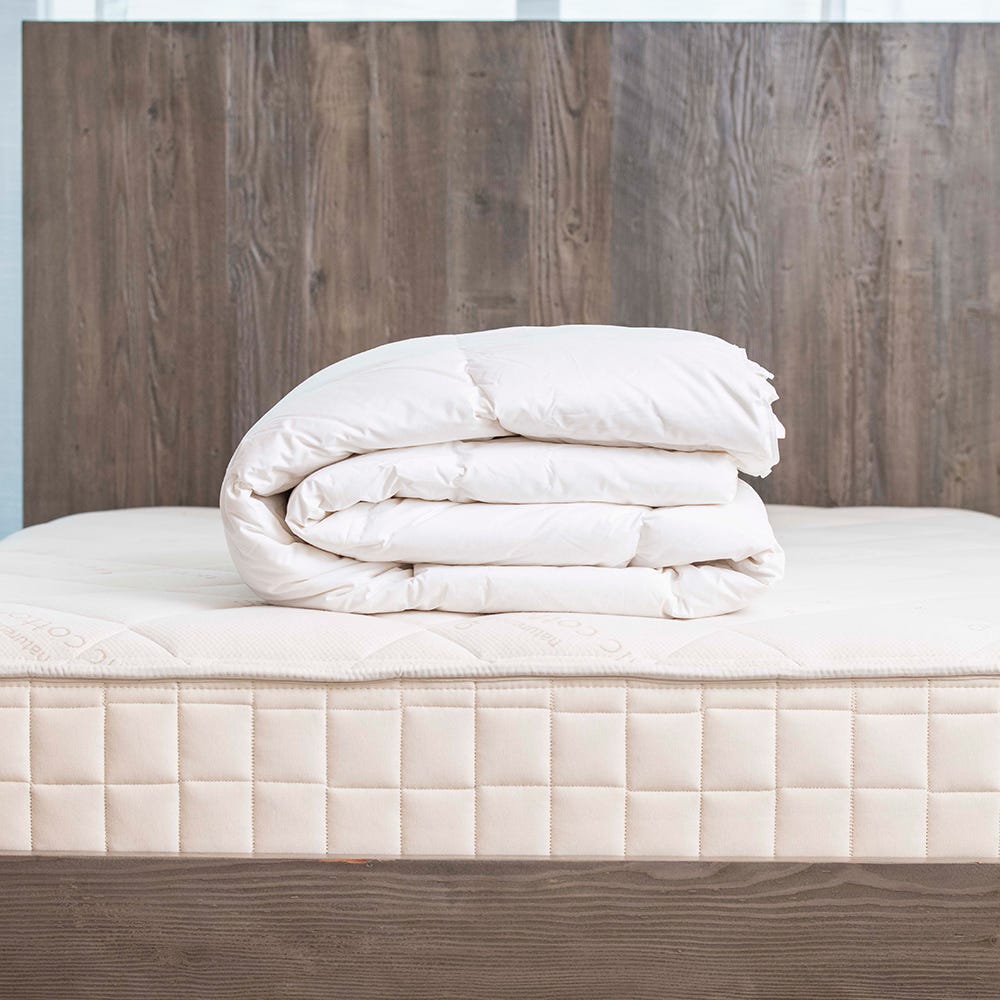
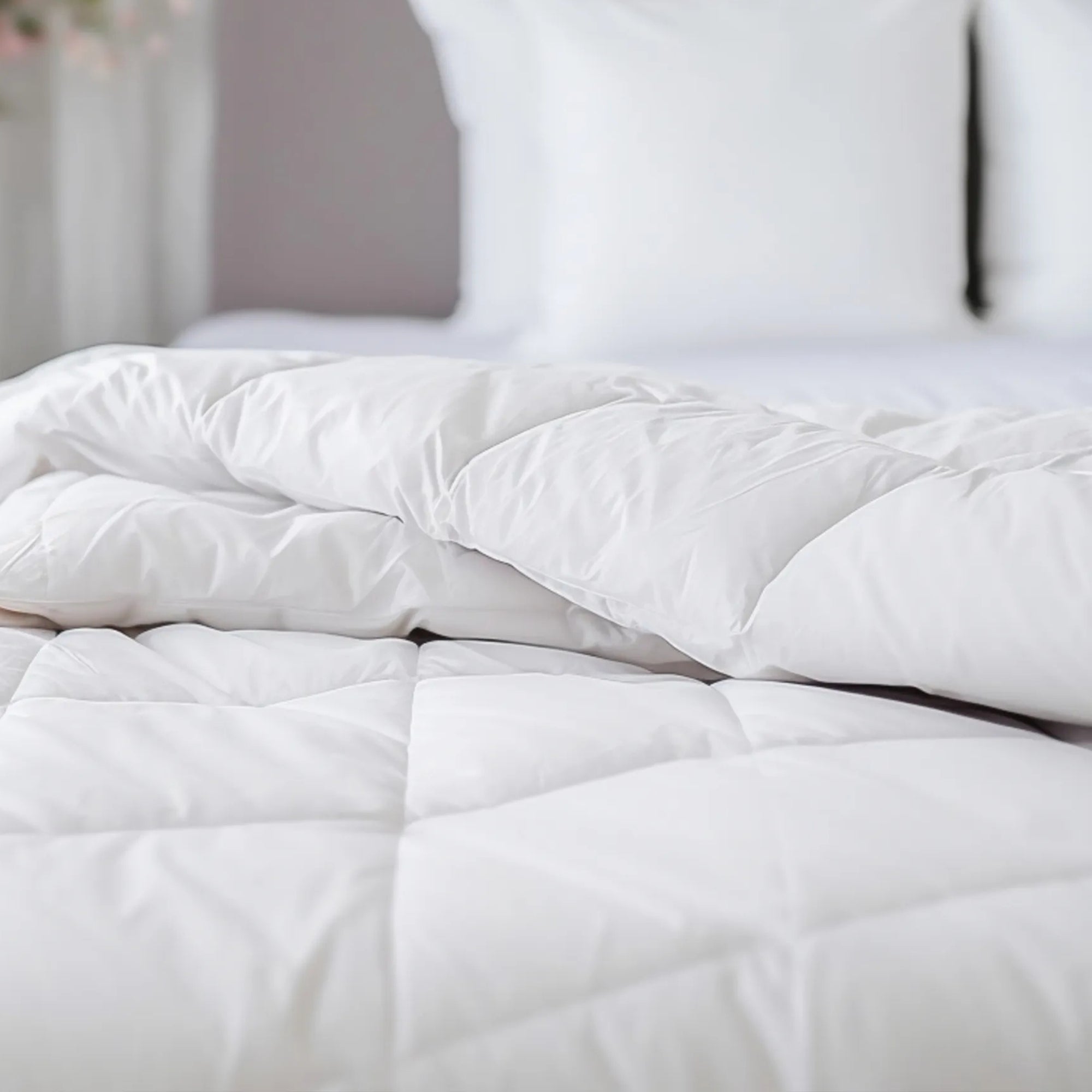
A duvet insert is the filled layer that goes inside a duvet cover and provides most of the warmth and loft. Inserts may be filled with materials such as down, wool, or other natural or synthetic fibers. The insert itself is usually fairly simple in appearance because the duvet cover becomes its visible outer layer.
What Is a Duvet?
The word duvet is often used to refer to the filled insert itself, but it can also describe the complete two-piece setup of an insert inside a duvet cover. In everyday conversation, “duvet” and “duvet insert” are frequently used interchangeably.
What Is a Duvet Cover Set?
A duvet cover set typically includes a duvet cover plus one or more coordinating pillow shams. A duvet insert usually is not included unless the product description specifically says otherwise, so it’s always worth checking what comes with the set before you buy.
Duvet vs. Comforter: What’s the Difference?
The biggest difference between a duvet and a comforter is how they’re designed to be used. A duvet is generally part of a two-piece system consisting of a filled insert and a removable duvet cover. A comforter, on the other hand, typically has a finished outer shell and can be placed directly on the bed without an additional cover.
Neither option is inherently better. A duvet and cover can be a good choice if you want flexibility and easier access to the outer layer for washing, while a comforter offers the simplicity of a single finished piece.
Can You Put a Comforter in a Duvet Cover?
Yes, in many cases, you can put a comforter inside a duvet cover. The most important consideration is fit: the comforter and duvet cover should have similar dimensions so the filling doesn’t shift excessively, bunch up, or leave empty space around the edges.
Interior corner ties can also help. If both your comforter and duvet cover include compatible loops or ties, securing the corners can help keep the filling evenly distributed inside the cover.
What Are Duvet Covers Made Of?
Duvet covers are available in a variety of natural and synthetic fabrics. Because the cover sits directly against your body and determines much of the texture and feel of the finished duvet, material and weave are important considerations.

Naturepedic’s duvet covers use certified organic fibers in options including cotton percale, cotton sateen, cotton muslin, cotton waffle, and flax linen.
Cotton Percale
Cotton percale has a crisp, smooth feel and matte finish. Its simple weave creates lightweight bedding that works especially well for people who prefer a fresh, airy texture. Learn more about choosing bedding for hot sleepers.
Cotton Sateen
Cotton sateen has a smoother, softer feel with a subtle sheen and more fluid drape than percale. Its weave brings more of the yarn to the fabric’s surface, creating a softer hand feel and a slightly more polished appearance.
Cotton Muslin
Cotton muslin has a soft, relaxed texture and lightweight feel. Its more open construction makes it well suited to casual, layered bedding and warmer-weather setups. Explore more ideas for summer bedding.
Cotton Waffle
Cotton waffle bedding gets its name from its dimensional, grid-like texture. The weave adds visual depth and a more tactile feel, making it an easy way to introduce texture without relying on prints or patterns.
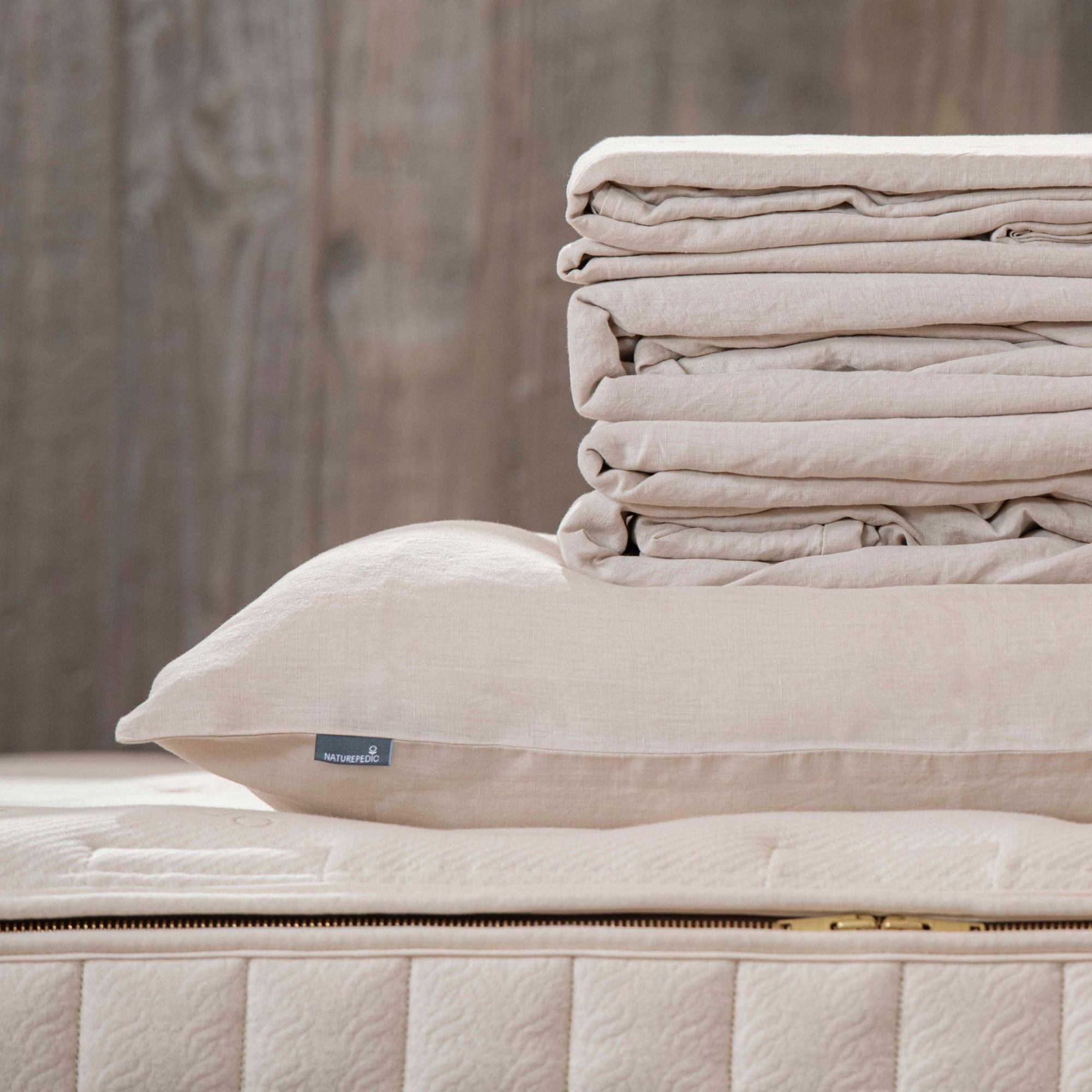
Flax Linen
Linen has a naturally textured, relaxed appearance and tends to become softer with repeated use and washing. Naturepedic’s linen bedding is made with organic flax fibers for a distinctly lived-in look and feel.
What Should You Look for in a Good Duvet Cover?
The best duvet cover for your bed depends on more than color alone.

Pay attention to the fabric, construction, fit, and care requirements so the cover works well with your insert and your everyday routine.
Fabric and Weave
The fabric has a major impact on how your duvet feels. Cotton percale is crisp and lightweight, sateen feels smoother and more fluid, muslin has a relaxed softness, waffle adds dimensional texture, and linen offers a more naturally textured hand. If you’re comparing cotton options specifically, our guide to percale versus sateen can help explain how the different weaves behave.
Size and Fit
Match the dimensions of your duvet cover as closely as possible to the insert inside it. Although bedding is generally sold in familiar size categories such as Twin, Full/Queen, and King, exact measurements can vary between manufacturers. Checking the dimensions of both pieces can help prevent an insert from bunching inside a cover that is too small or shifting around inside one that is too large.
Interior Ties
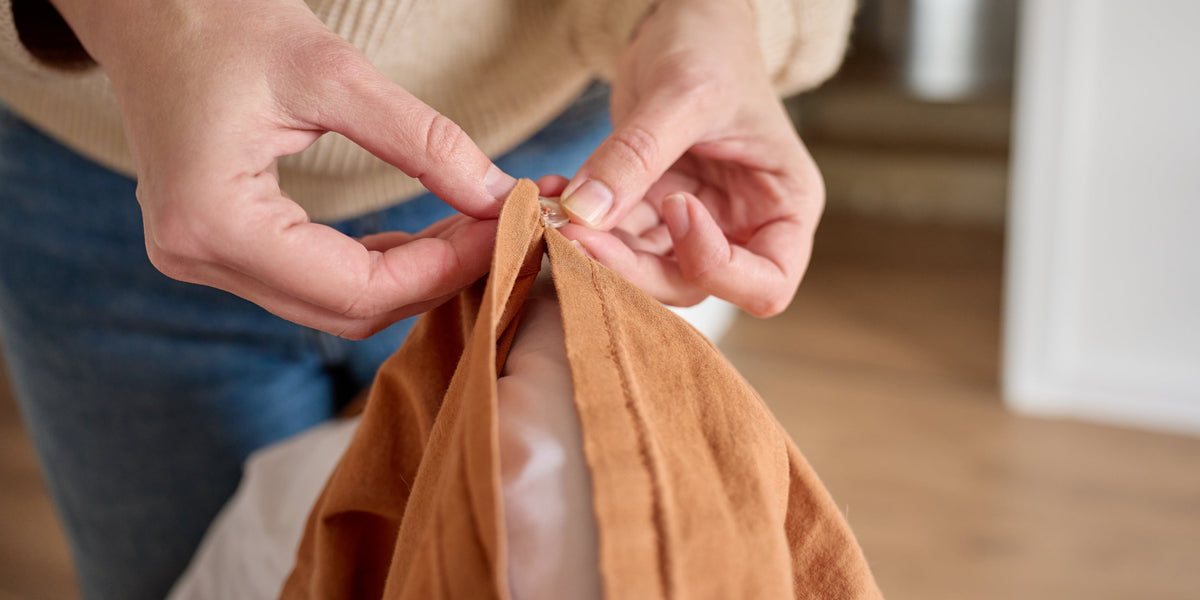
Interior ties attach the corners of the insert to the inside of the duvet cover, helping keep the filling in place as you move during the night. They can be especially useful for larger duvet inserts, where shifting may be more noticeable.
Closure Type
Duvet covers may close with buttons, snaps, zippers, or ties. Zippers create a quick, enclosed closure, while buttons and ties can become part of the design. None is universally better, so consider both convenience and the look you prefer.
Care Requirements
A removable cover is useful precisely because it can make routine bedding care easier, so check the care label before buying. Washing and drying instructions can vary significantly depending on the fabric and construction.
Material Standards and Certifications
If material sourcing matters to you, look beyond claims like “natural” or “organic-inspired” and check for meaningful third-party certifications. Certified organic textiles must meet defined standards for fiber sourcing and processing, offering more transparency into how the finished fabric is made. Learn more about what to look for in organic bedding.
How to Choose a Duvet Cover
Once you understand the construction details, choosing a duvet cover becomes much simpler. Start with the practical considerations — size, material, closure, interior ties, and care — then narrow your options based on how you want your bed to look and feel.
Your duvet cover is also one of the largest visible surfaces in the bedroom, so it can dramatically change the overall design of the space. Neutral shades create an adaptable foundation, while richer colors, distinctive textures, or patterns can make the duvet the visual focal point of the room.
How to Put a Duvet in a Duvet Cover
If inserting a duvet feels like a wrestling match, the inside-out method makes the process much easier.

Here’s how to put a duvet into a duvet cover:
- Turn the duvet cover inside out. Lay it flat on the bed with the opening positioned at the foot.
- Place the duvet insert on top. Line up the edges and corners of the insert with the inside-out cover.
- Secure the interior ties. If your duvet cover and insert include compatible ties or loops, fasten each corner to help prevent shifting.
- Grab the top corners. Reach inside the cover and hold the top corners of both the duvet cover and insert together.
- Flip the cover right side out. Pull the cover down and over the insert, then gently shake the duvet so the filling settles evenly into place.
- Close and smooth the cover. Fasten the buttons, zipper, snaps, or ties at the opening, then smooth out any uneven areas.
Another popular technique is the burrito method, which involves rolling the duvet cover and insert together before flipping and unrolling them into place. We walk through that shortcut in our guide to how to make your bed.
How to Wash and Care for a Duvet Cover
One of the advantages of using a duvet cover is that you can remove and wash the outer layer without laundering the entire duvet insert every time. Always follow the specific care instructions for your bedding, as recommendations vary by fabric and construction.
- Follow the care label: Check the manufacturer’s washing and drying instructions before laundering.
- Wash regularly: Your routine will depend on how you use your bed, whether you use a top sheet, and other personal factors.
- Use an appropriate detergent: Choose a detergent that is compatible with the fabric and recommended care instructions.
- Dry completely: Make sure the duvet cover is fully dry before placing it back on the insert or storing it.
- Store in a dry space: Fold clean duvet covers and keep them somewhere protected from moisture when they’re not in use.
Want to explore the different materials, textures, and layers that can complete your bed? Meet our organic bedding collection.
Have feedback on our story? Contact us to let us know what you think or visit our about us page to learn more!