



Iced latte. French pressed. Nitro. Cold brew. Americano. Matcha. Chai. Earl Grey. Iced tea. Energy drinks. Soda. Cacao. Guarana. Whatever way you take it, caffeine has become a staple in many people’s morning routines.
There’s a reason we reach for it: caffeine is a stimulant that can temporarily make us feel more awake and alert. But when your morning coffee turns into an afternoon coffee, an energy drink, and maybe another pick-me-up just to make it through the day, it can be worth looking at what’s driving that fatigue in the first place.
If you’re wondering how to wake up without caffeine, you don’t necessarily need a complicated morning routine. Habits like getting morning light, moving your body, staying hydrated, and prioritizing consistent sleep can all support daytime alertness without relying entirely on caffeine. Below, we’ll cover those strategies first, then explain how caffeine works, how much may be too much, and how it can affect your sleep.
How to Wake Up Without Caffeine: Key Points
- Morning light helps regulate your sleep-wake cycle, signaling to your body that it’s time to be awake and alert.
- Movement can provide an immediate mental and physical reset, whether that means exercising, stretching, or simply taking a walk.
- Hydration and regular meals can support steady energy, especially if thirst or hunger is contributing to sluggishness.
- Caffeine temporarily reduces feelings of sleepiness, but it does not replace the restorative benefits of adequate sleep.
- For most healthy adults, the FDA cites 400 milligrams of caffeine per day as an amount not generally associated with negative effects, although individual sensitivity varies.
Note: This blog may contain links to Naturepedic products and promotional content where relevant to the topic discussed.
How to Wake Up Without Caffeine
You don’t need caffeine to give your body every cue that it’s time to start the day. Your sleep schedule, exposure to light, physical activity, hydration, food, and morning routine can all influence how awake you feel.

1. Drink Water When You Wake Up
You go several hours without drinking while you sleep, so starting your morning with water is a simple way to rehydrate. Keep a glass or bottle nearby, especially if you tend to wake up thirsty or start your day with coffee before drinking anything else.
2. Get Morning Light
Light is one of the strongest environmental signals regulating your circadian rhythm. According to the National Heart, Lung, and Blood Institute, light and darkness help your internal clock determine when you should feel awake and when you should feel sleepy.
Try opening the curtains soon after waking or stepping outside for a morning walk. Regular daytime light exposure can help reinforce the distinction between daytime and nighttime for your body clock.
3. Move Your Body
Movement can help shake off morning sluggishness or an afternoon slump. You don’t necessarily need a full workout, either. Stretch, take the stairs, walk around the block, or spend a few minutes moving between periods of sitting.
The Centers for Disease Control and Prevention notes that physical activity can provide immediate benefits and can also support better sleep over time.
4. Eat a Balanced Breakfast If You’re Hungry
Caffeine can temporarily mask tiredness, but it doesn’t provide the nutrients your body gets from food. If you wake up hungry, choose a breakfast that combines foods you enjoy with sources of protein, fiber, carbohydrates, and healthy fats. The goal isn’t to find a meal that somehow “beats” caffeine — it’s to give your body steady fuel for the morning ahead.
5. Use Cold Water for a Quick Sensory Reset
A cool shower or splash of cold water on your face may feel refreshing when you’re groggy. Think of it as a quick sensory cue rather than a substitute for sleep or a proven way to create lasting energy.
6. Try a Caffeine-Free Morning Drink
If part of caffeine’s appeal is the ritual of holding a warm drink while you start your morning, you don’t necessarily have to give that up. Caffeine-free herbal tea, decaffeinated coffee, warm water with lemon, or another favorite caffeine-free drink can fill the same place in your routine.
Just remember that “decaf” does not always mean completely caffeine-free, so check the label if you are trying to avoid caffeine entirely.
7. Prioritize Consistent, Restorative Sleep
No caffeine-free morning hack can fully compensate for regularly not getting enough sleep. Keeping a relatively consistent sleep and wake schedule, giving yourself enough time for sleep, and creating a dark, quiet, and comfortable sleep environment can help address daytime tiredness at its source.
If mornings consistently feel difficult despite getting enough time in bed, or excessive daytime sleepiness is interfering with everyday life, consider discussing it with a health care professional.
Why Does Caffeine Make You Feel Awake?
Caffeine is a stimulant that increases alertness largely by interfering with adenosine, a chemical involved in the body’s drive for sleep. Adenosine builds up while you’re awake and contributes to increasing sleep pressure throughout the day. Caffeine can temporarily block adenosine receptors, making that sleepiness feel less noticeable. The National Heart, Lung, and Blood Institute explains that this process is one reason caffeine can make you feel more awake.

Caffeine occurs naturally in plants and ingredients including:
- Coffee beans
- Cacao
- Kola nuts
- Tea leaves and buds
- Yerba mate
Caffeine can also be produced and added to products such as sodas, energy drinks, supplements, and other packaged foods and beverages.
Beyond the stimulant effect, caffeinated drinks can become part of a routine. Coffee, for example, may be appealing for its aroma, flavor, warmth, or simply the ritual of making it each morning. With regular caffeine use, however, the body can develop tolerance, meaning the same amount may produce less of a noticeable effect over time.
How Much Caffeine Is Too Much?
There isn’t one caffeine limit that applies equally to everyone. How strongly caffeine affects you can depend on factors such as individual sensitivity, medications, certain health conditions, and how much caffeine you regularly consume.

For most healthy adults, the U.S. Food and Drug Administration cites 400 milligrams of caffeine per day as an amount not generally associated with negative effects. That’s roughly the amount in two to three 12-ounce cups of coffee, although caffeine content can vary significantly by beverage, serving size, and preparation method.
Some people may need a different limit. During pregnancy, for example, the American College of Obstetricians and Gynecologists recommends keeping total caffeine intake below 200 milligrams per day. If you have a health condition, take medications that may interact with caffeine, or have questions about your individual intake, talk with your health care provider.
Signs and Side Effects of Too Much Caffeine
How do you know when you’ve had too much? The answer can be different from person to person. According to the FDA, signs that caffeine intake may be too high can include:
- Insomnia or disrupted sleep
- Jitters or restlessness
- Anxiety
- Fast heart rate
- Heart palpitations
- Upset stomach or nausea
- Headaches
If caffeine regularly leaves you wired, anxious, uncomfortable, or tired but unable to sleep, that may be a sign to reconsider how much you’re drinking or when you’re drinking it.
Extremely high amounts of caffeine can be dangerous. Highly concentrated or pure caffeine products in particular can make it easy to consume much more caffeine than intended, so follow product directions and seek medical attention if you experience serious symptoms after consuming caffeine.
How Caffeine Can Affect Sleep and Next-Day Energy
The same mechanism that makes caffeine useful when you want to stay awake can work against you when you’re trying to sleep. Because caffeine blocks the effects of adenosine, consuming it too close to bedtime may make it harder for your natural sleep pressure to do its job.
Research reviewed in the journal Sleep Medicine Reviews has found that caffeine consumed close to bedtime can increase the time it takes to fall asleep and reduce sleep efficiency. You can read the review through the National Library of Medicine.
That can create a frustrating cycle: you’re tired, so you use caffeine to stay awake; caffeine interferes with your sleep; and then you wake up tired and reach for more caffeine the next day.
Timing matters alongside quantity. Because people metabolize caffeine at different rates, there isn’t one universal cutoff that works for everyone. If caffeine seems to interfere with your sleep, experiment with moving your final caffeinated drink earlier in the day and see whether your sleep changes.
There are plenty of other factors that can affect sleep, too. Try being mindful of what you consume before bed, limiting bright light and screen exposure in the evening, paying attention to your natural signs of sleepiness, and maintaining a dark, quiet, and cool bedroom. Getting light earlier in the day can also help reinforce your circadian rhythm.
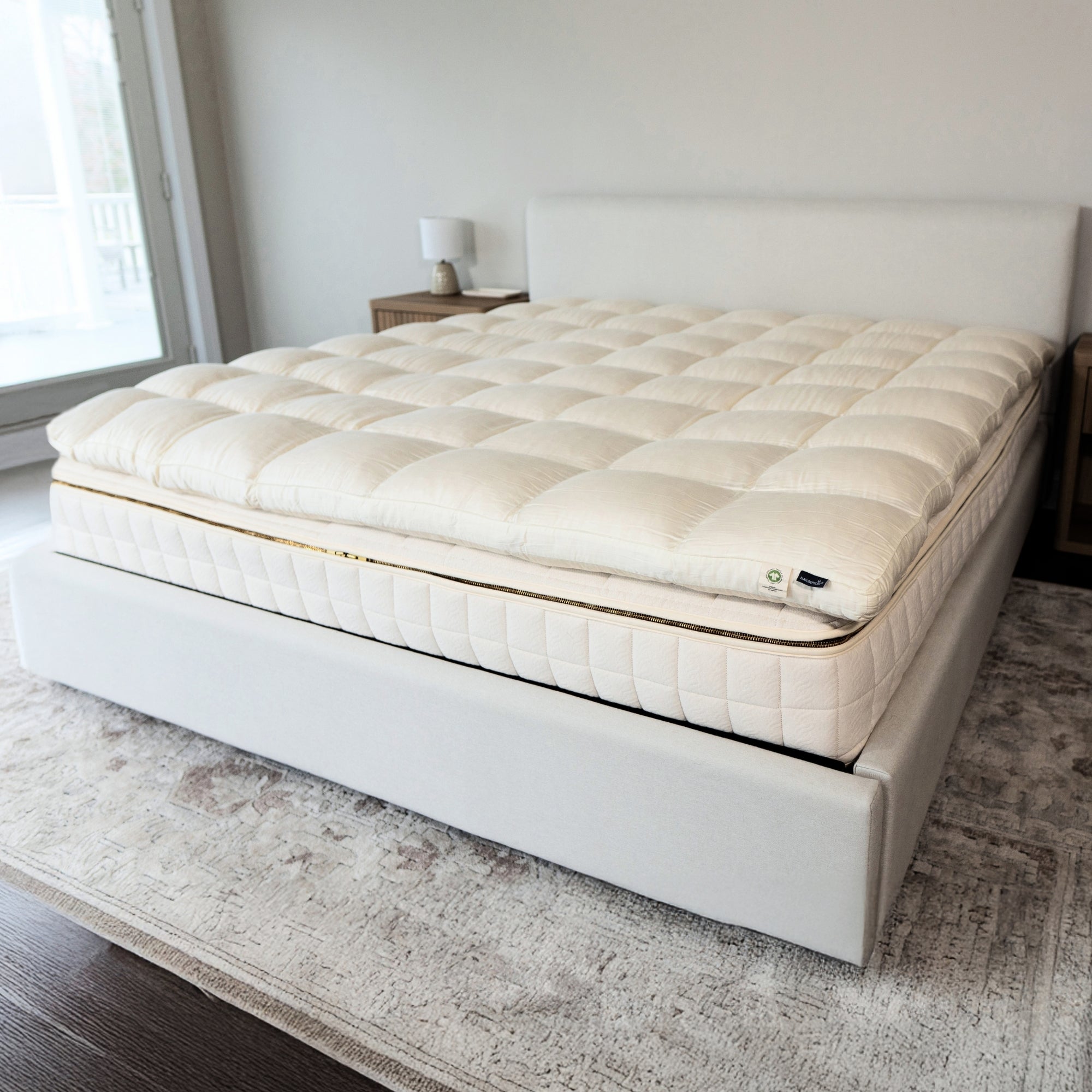
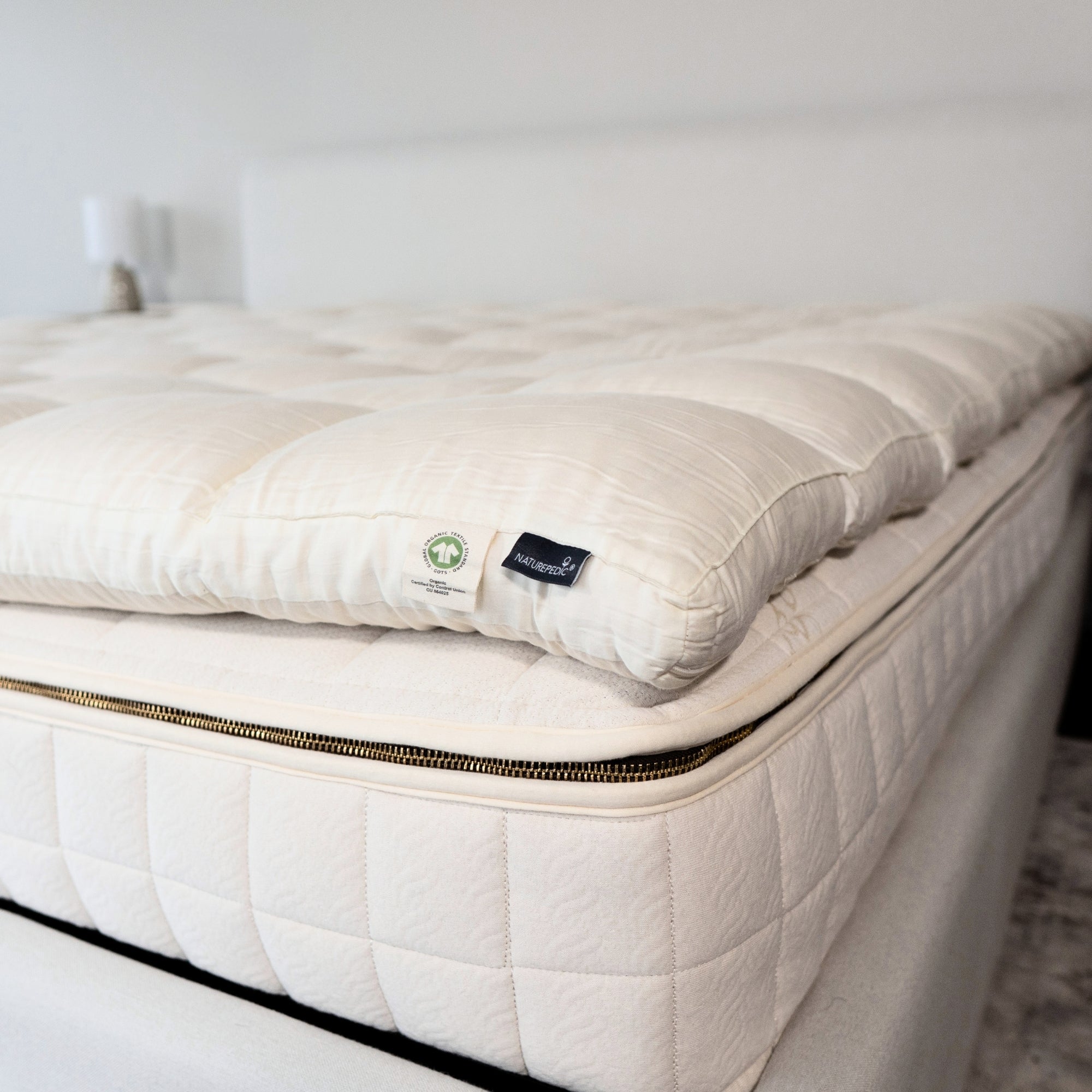
Your sleep setup can affect comfort, too. Your mattress should provide the support and comfort you need to rest without unnecessary disruptions. If your current mattress isn’t working for you, you can explore an organic mattress and learn more about choosing the right mattress firmness for your sleep needs.
How to Cut Back on Caffeine Without Going Cold Turkey
If caffeine is an everyday habit, you don’t necessarily need to stop drinking it overnight. In fact, the FDA recommends cutting back gradually because caffeine withdrawal, while generally not considered dangerous, can be unpleasant.
Try reducing your intake a little at a time:
- Know where your caffeine is coming from. Coffee and energy drinks may be obvious, but tea, soda, chocolate, supplements, and some medications can contain caffeine, too.
- Reduce your serving size. Try a smaller coffee rather than eliminating your usual morning cup immediately.
- Swap one drink at a time. Replace an afternoon coffee or soda with decaf coffee, herbal tea, water, or another caffeine-free option.
- Move caffeine earlier. If caffeine is interfering with sleep, start by cutting back on your latest serving of the day.
- Give your body time to adjust. Headaches, fatigue, and irritability can occur when regular caffeine intake drops suddenly, which is another reason a gradual approach may feel more manageable.
You may discover that you don’t need to give up coffee or tea entirely. The goal is simply to understand how caffeine affects you and decide whether it’s helping your energy — or compensating for something else your body needs.
Better Energy Starts With More Than Caffeine
Caffeine can be a useful tool, but feeling awake isn’t only about what’s in your mug. Morning light, movement, hydration, regular meals, and consistent sleep all play a role in how alert you feel throughout the day. If you enjoy caffeine and tolerate it well, there may be no reason to eliminate it completely. But if you’re relying on it just to feel functional, improving the habits that support your sleep and daytime energy may make your next cup feel more optional than essential.
Have feedback on our story? Contact us to let us know what you think or visit our about us page to learn more!